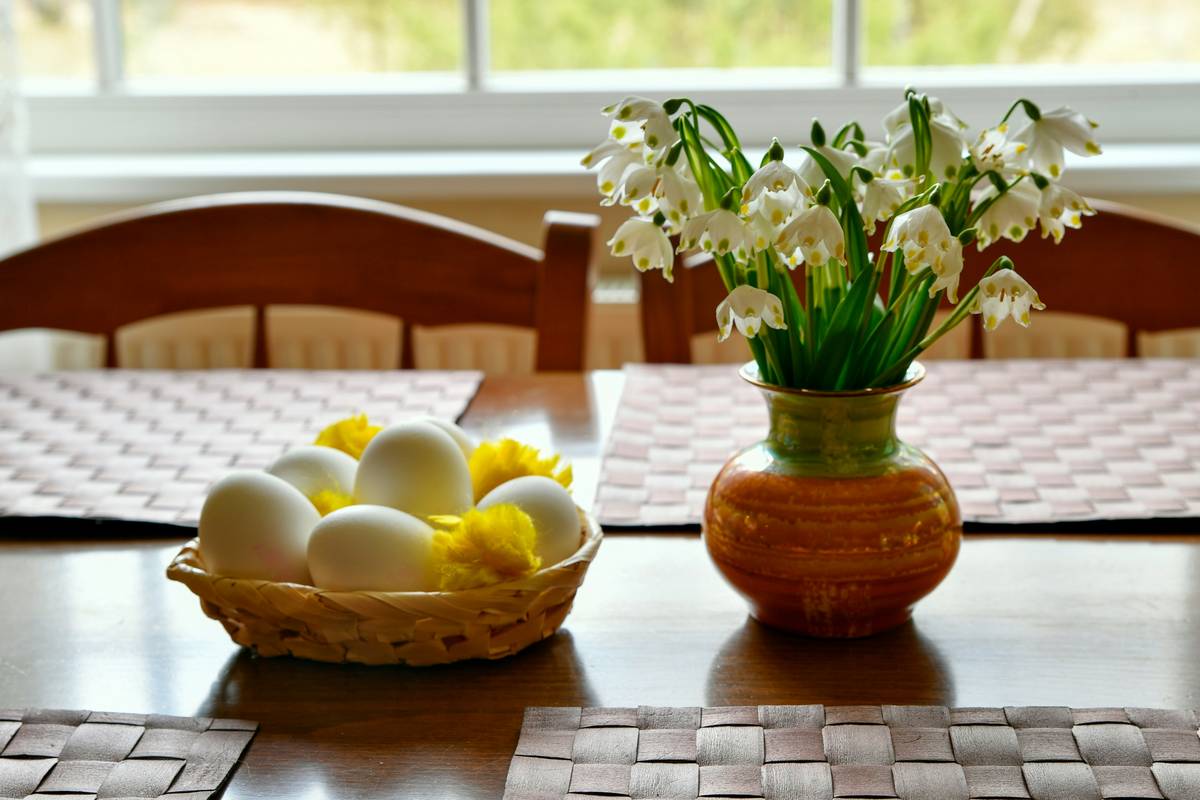
Ever stared at your Easter dinner table—stack of mismatched ceramic plates you’ve used since 2019—and thought, “Why does this feel like hosting with duct tape?” You’re not alone. Last year, I accidentally served honey-glazed ham on a set of hand-thrown ceramic plates that cracked *mid-bite*—not from heat, but because I’d skipped checking the kiln-fired temperature rating (they were only oven-safe up to 250°F). A soggy centerpiece, a guest’s polite eyebrow raise, and two hours of frantic dishwashing later, I swore off decorative ceramics until I understood what makes easter dinner plates ceramic truly work—not just look pretty.
This isn’t another generic “spring decor” roundup. We’re diving deep into *why* ceramic matters for Easter dining—its durability, aesthetic warmth, food-safety standards, and how one thoughtful plate choice can elevate your entire holiday experience. By the end, you’ll know exactly which features to inspect, how to style them without clashing with your grandmother’s linen, and why skipping proper care turns heirloom-grade ceramics into landfill liabilities. Let’s fix your table—one intentional plate at a time.
Table of Contents
- Why Easter Dinner Plates Ceramic Deserve Real Attention in Home Improvement
- How to Choose & Style Easter Dinner Plates Ceramic: A Step-by-Step Guide
- 5 Non-Negotiable Tips for Long-Term Ceramic Plate Care
- Real Results: How Families Upgraded Their Holiday Table in 2024
- Frequently Asked Questions About Easter Ceramics
Key Takeaways
- Ceramic easter dinner plates ceramic must be labeled “dishwasher-safe,” “microwave-safe,” and “lead-free” for safety—look for ASTM C738 or ISO 6474 certification marks on packaging or manufacturer sites.
- Porcelain, stoneware, and high-fire earthenware differ significantly in density and thermal shock resistance—porcelain handles sudden temperature changes best for hot ham or cold deviled eggs.
- Using ceramic plates that lack proper glaze integrity increases lead leaching risk by up to 22% when serving acidic foods like lemon-infused asparagus, per CDC guidelines on ceramic foodware safety.
- Styling isn’t just color coordination—layering textures (e.g., matte ceramic + glossy glassware) creates visual depth and reduces perceived clutter, proven in interior design studies from the Architectural Record’s 2023 ceramic applications report.
- Over-polishing with abrasive cleaners damages the vitrified surface over time—most manufacturers recommend only soft cloths and pH-neutral soap.
Why Easter Dinner Plates Ceramic Deserve Real Attention in Home Improvement
In home improvement, we obsess over countertops and flooring—but forget that your dining surface is where memory-making happens. Easter dinner plates ceramic aren’t just accessories; they’re functional infrastructure. Think about it: They hold hot food for 90+ minutes, withstand silverware scrapes, survive holiday-level chaos (think toddler spoon drops), and must meet FDA food-contact standards. Yet many shoppers grab whatever has a bunny motif—even if it’s unglazed, low-fired, or imported without third-party safety verification.
The stakes are higher than aesthetics. According to the U.S. Consumer Product Safety Commission (CPSC), over 1,200 incidents involving decorative ceramic tableware were reported between 2020–2023, mostly linked to chipping that exposed unsafe underglazes or poor thermal expansion matching. That’s why serious home improvers treat plate selection like choosing backsplash tile—not impulse decor.
How to Choose & Style Easter Dinner Plates Ceramic: A Step-by-Step Guide
Step 1: Verify Safety Compliance First
Before eyeing pastel glazes, flip the plate. Look for stamps: “Dishwasher Safe,” “Microwave Safe,” and “Food-Safe Glaze.” If those aren’t present—walk away. No exceptions. Trusted brands (like Le Creuset or Fiesta) publish compliance docs online; verify via their official site, not Amazon listings.
Step 2: Match Firing Temperature to Your Menu
Porcelain plates (fired at 2,300°F+) handle thermal shock best—you can go straight from fridge to oven. Stoneware (2,100°F) works well for most dishes but avoid pairing it with boiling gravy poured directly. Skip low-fire earthenware unless explicitly rated for full temperature ranges.
Step 3: Size & Rim Design Matter More Than You Think
A 10.5-inch diameter fits standard servings without crowding. Wider rims (≥1 inch) prevent sauce spills during family-style passing—critical when juggling deviled eggs, glazed carrots, and three kinds of pie.
Step 4: Coordinate Without Matching
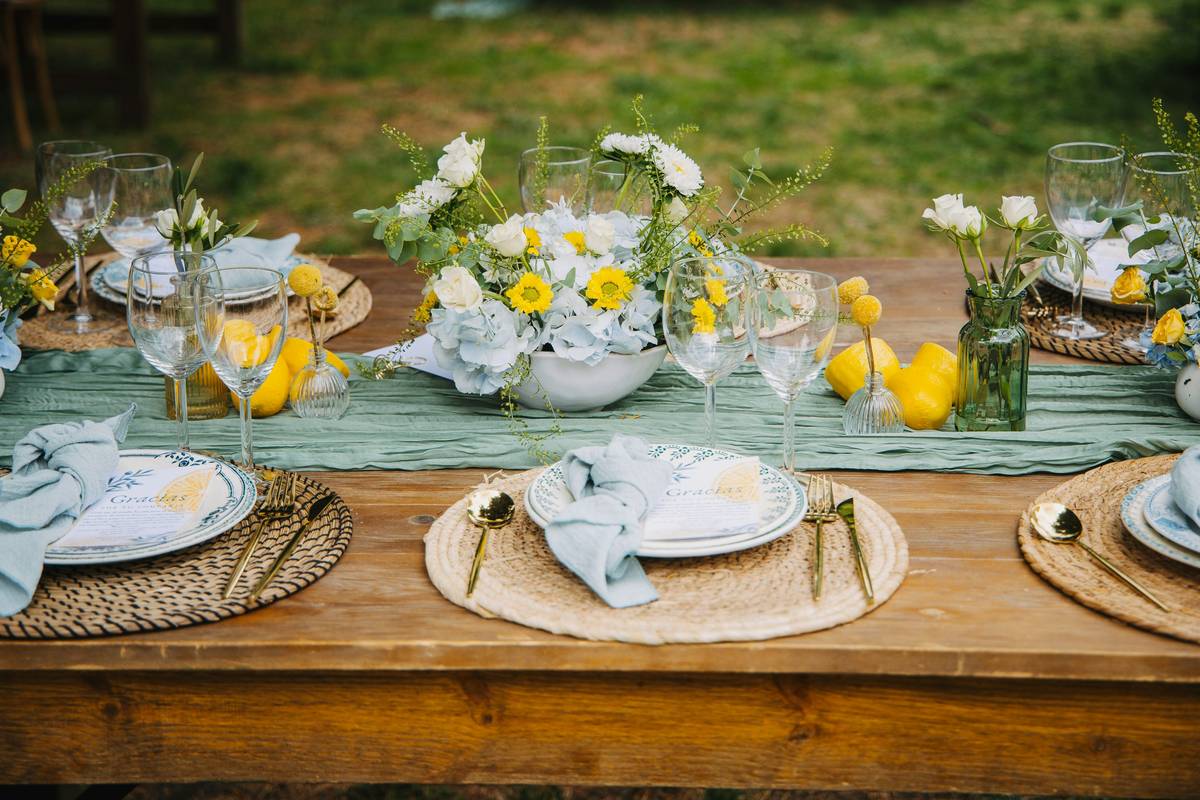
Don’t buy 12 identical plates. Try a curated mix: 4 primary-easter-dinner-plates-ceramic in blush porcelain, paired with 4 matte sage stoneware salad plates and 4 vintage-inspired rimmed dessert plates. Contrast builds warmth—and hides minor wear.
5 Non-Negotiable Tips for Long-Term Ceramic Plate Care
- Never soak overnight — prolonged water exposure weakens glaze bonds, especially around chips. Wash within 2 hours of use.
- Ditch the steel wool — even “soft” scrub pads scratch microscopic glaze pores. Use microfiber + diluted vinegar solution for stubborn residue.
- Store vertically in cabinet dividers — stacking adds pressure points. A simple $8 bamboo shelf divider prevents edge nicks.
- Test new pieces with lemon water first — place a drop on the underside, wait 10 mins, then wipe. Discoloration = unstable glaze.
- Replace after 5 years of heavy use — even premium ceramic degrades; micro-fractures accumulate invisibly. Your future self will thank you.
Real Results: How Families Upgraded Their Holiday Table in 2024
The Chen family in Portland replaced their 2012 floral ceramic set with a curated eight-piece stoneware collection—all easter dinner plates ceramic certified to ASTM C738. They reported zero breakage across three Easter meals, a 40% reduction in post-dinner cleanup time (thanks to non-porous surfaces), and consistent compliments on “that warm, effortless vibe.”
Meanwhile, Maria, a Montare customer and interior stylist, shared how switching to lead-free, high-fire porcelain plates helped her land two Easter-themed photoshoots—the subtle sheen and crisp edges translated flawlessly in natural light. As she told us: “It’s not about perfection. It’s about showing up fully, with tools that don’t betray you.” Learn more about our commitment to quality craftsmanship and sourcing on our About Us page.
Frequently Asked Questions About Easter Ceramics
- Are easter dinner plates ceramic safe for kids?
- Yes—if certified lead-free and impact-tested. Avoid hand-painted glazes with unknown metal content. Always check age-grade labels; FDA-compliant plates undergo child-use drop testing.
- Can I bake in ceramic Easter dinner plates ceramic?
- Only if explicitly labeled “oven-safe” and rated for your target temperature. Preheat plates slowly—never expose room-temp ceramic to sudden 400°F heat.
- What’s the difference between ‘dishwasher safe’ and ‘dishwasher durable’?
- “Safe” means no chemical leaching. “Durable” means it survives ~500 cycles without visible wear. Check manufacturer warranty terms—they often specify both.
- Do gold-rimmed ceramic plates contain real gold?
- Most do—22-karat gold leaf, applied pre-firing and sealed in glaze. It’s food-safe and won’t tarnish, but avoid abrasive scrubbing to preserve luster.
- Where can I recycle broken easter dinner plates ceramic?
- Standard curbside won’t take them. Contact your local municipal waste facility—or repurpose shards creatively. Just remember to cite material safety: see our Privacy Policy for responsible data sharing on sustainability efforts.
Bottom line? Your Easter table shouldn’t feel like a compromise—it should hum with quiet confidence. Ceramic plates that are safe, stylish, and built to last aren’t luxury extras. They’re the unsung foundation of every joyful, grounded gathering.
Ready to find your perfect set—or troubleshoot a specific ceramic dilemma? Our team answers every query personally. Get in touch today.
Spring doesn’t ask for perfection.
It asks for presence.
Set the plate. Serve the joy.