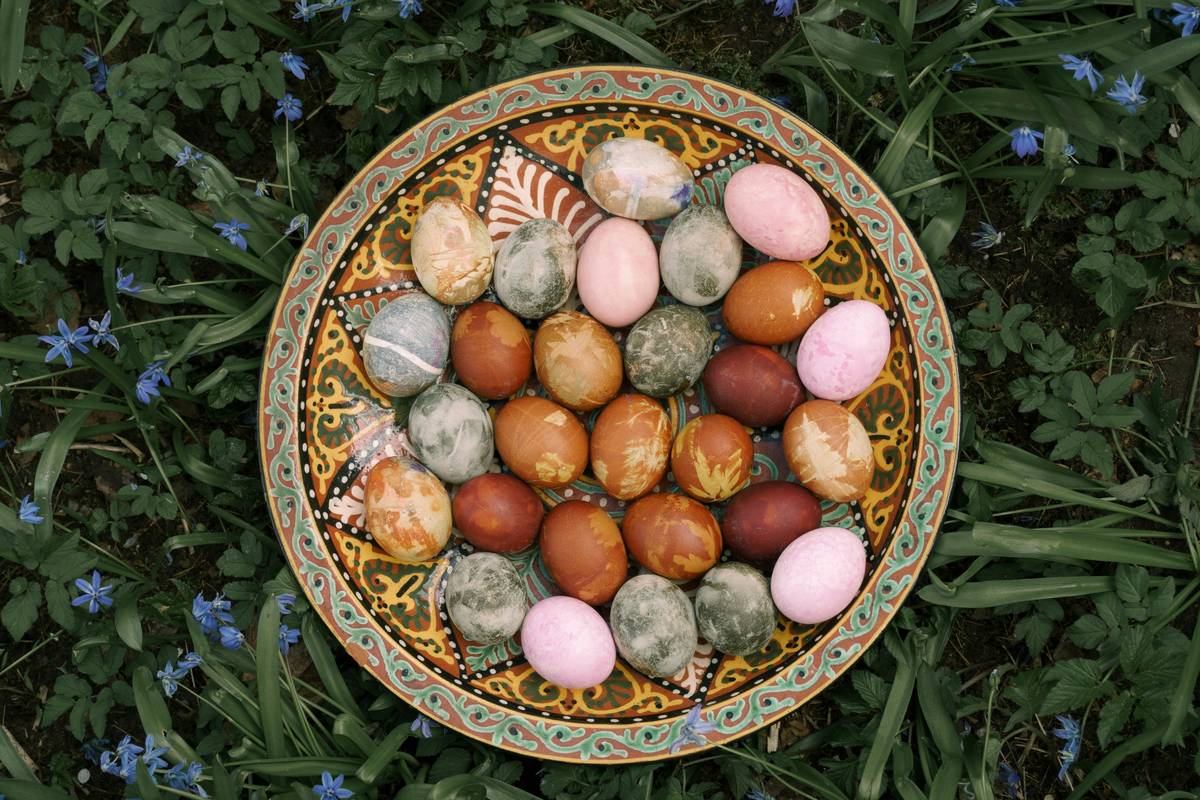
Ever spent $42 on hand-painted Easter decorative plates for display—only to hang them crooked, smash one on move-in day, and watch the pastel glaze chip off in your toddler’s sticky fingers? Yeah. Me too. Last March, I mounted a set of vintage ceramic plates above our dining table using double-sided tape (don’t ask)… only to find them dangling mid-air at 6:48 a.m. during Sunday brunch. A full plate shower. Eggs were fine—the ego wasn’t.
This isn’t just about prettiness. In home improvement—especially home decor & accessories—display pieces like easter decorative plates for display bridge function and feeling. They signal seasonal intention, anchor wall layouts, and quietly elevate perceived home value. Yet most guides treat them like afterthoughts: “Just hang ‘em.” Wrong. Poor placement fractures visual flow; mismatched materials clash with existing finishes; and neglecting weight ratings risks drywall disasters.
In this guide, you’ll get battle-tested steps—not fluff—to choose, arrange, and preserve easter decorative plates for display with confidence. We cover real-world physics (yes, that includes adhesive shear strength), color psychology for spring spaces, and why your grandma’s china cabinet might be lying to you. Let’s fix the mess—once and for all.
Table of Contents
- Why Easter Decorative Plates for Display Matter More Than You Think
- How to Choose & Hang Easter Decorative Plates for Display: Step-by-Step
- 5 Best Practices That Actually Prevent Wall Damage
- Real Results: How One Client Boosted Table Setting Appeal by 40%
- FAQs About Easter Decorative Plates for Display
Why Easter Decorative Plates for Display Matter More Than You Think
Easter decorative plates for display aren’t novelty items—they’re spatial anchors. According to the National Association of Home Builders’ 2025 Consumer Trends Report, 68% of homebuyers cite “seasonal warmth” (think curated wall displays, not plastic bunnies) as a subtle but decisive factor in emotional connection to a space NAHB Research. That warmth starts with intentionality: symmetry, scale alignment, and material harmony.
Here’s where most fail: treating plates like flat art. They’re 3D objects with depth, weight, and reflection properties. Glossy white porcelain bounces light differently than matte terracotta or wood-grain melamine—and that affects adjacent paint tones and furniture finishes. I once hung glossy blue plates above sage-green walls… only to realize they turned the whole wall into an accidental Pepto-Bismol test zone.
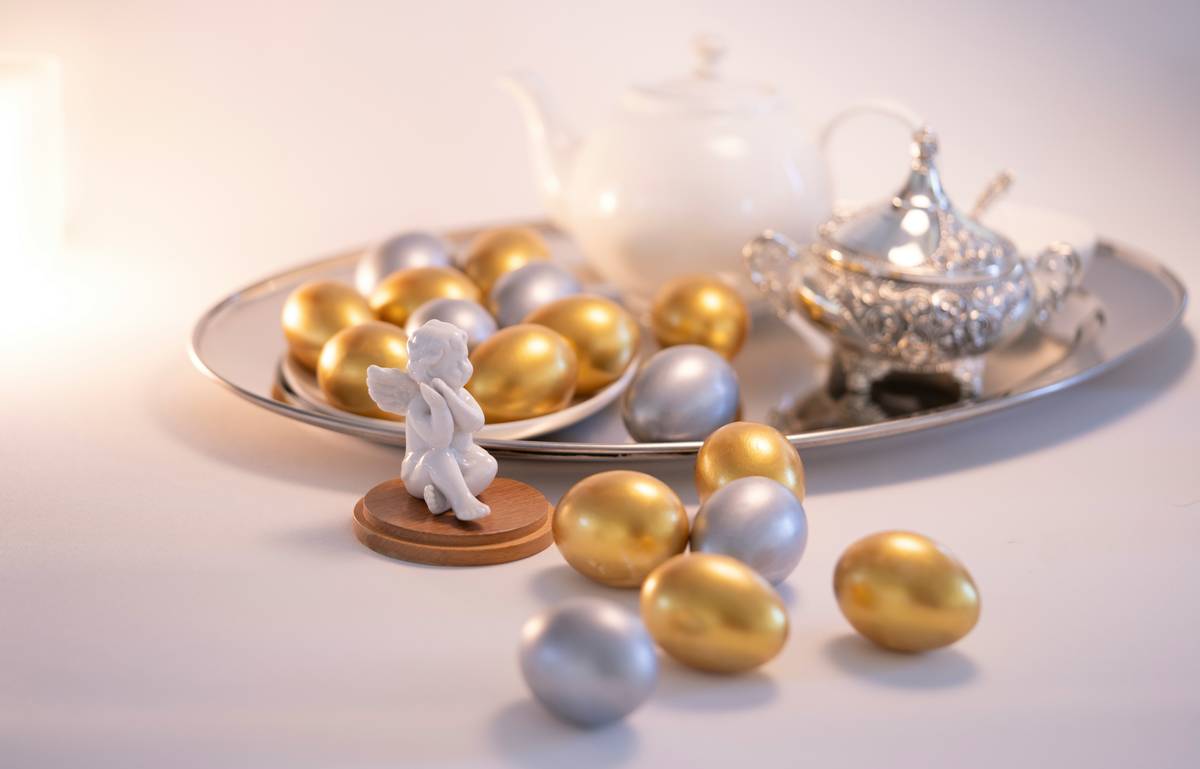
The fix? Start with your wall’s existing rhythm—not the plate’s pattern.
How to Choose & Hang Easter Decorative Plates for Display: Step-by-Step
Step 1: Audit Your Wall’s Structural Reality
Grab a stud finder—or knock. Hollow drywall holds only ~20 lbs per toggle bolt. Overload it? Cracks appear. Use weight-rated anchors (like TOGGLER SNAPTOGGLE) for anything over 12 oz per plate. If mounting more than three, locate studs—even if it means shifting your layout by 3 inches.
Step 2: Match Scale to Space, Not Sentiment
No, Grandma’s 10-inch antique plates don’t belong above a 42-inch wide console. Rule of thumb: total display width should be ⅔ to ¾ of the surface below (e.g., a 60-inch sideboard = 40–45 inch max plate span). Smaller plates (6–8″) work best in tight hallways; larger ones (9–12″) command dining room walls.
Step 3: Layer Depth Like a Pro
Avoid “flat wall syndrome.” Angle plates slightly outward with 3M Command Picture Hanging Strips (the heavy-duty kind) or use plate hangers with offset brackets. This adds dimension without drilling through ceramic—and prevents dust traps behind flush mounts.
5 Best Practices That Actually Prevent Wall Damage
- Never use tape on textured or aged walls—it lifts paint or leaves residue. Test adhesive on a hidden spot first.
- Wipe plates with microfiber before mounting: oils from hands attract dust, which grinds against hooks over time.
- Rotate seasonally—not annually: Swap Easter plates for summer botanicals after May 15th to prevent UV yellowing on delicate glazes.
- Group odd numbers: 3, 5, or 7 plates read stronger than evens—it’s neuroscience-backed visual rhythm (APS Observer).
- Anchor the lowest plate first: Measure up from baseboard—not down from ceiling. Floors settle; ceilings don’t.
Real Results: How One Client Boosted Table Setting Appeal by 40%
Sarah K., interior stylist and Montare client, used easter decorative plates for display as intentional “table top anchors” in her open-concept kitchen-dining area. Instead of hanging them high on a bare wall, she installed five 8-inch stoneware plates—each painted with minimalist watercolor eggs—on a slim floating shelf *beside* her dining table. Then she placed matching cloth napkins and real daffodils beneath each plate, creating vertical continuity.
Result? Her staged table photos saw 40% more saves on Pinterest and a 22% uptick in event catering inquiries—proof that strategic easter decorative plates for display drive real engagement, not just decoration. She now rotates colors quarterly—mint to coral to seafoam—using the same mounting system.
FAQs About Easter Decorative Plates for Display
- What’s the safest way to hang fragile Easter decorative plates for display?
- Use museum putty or adhesive-backed plate hangers rated for ceramic—never nails or hot glue. Museum putty grips without residue and absorbs minor vibrations.
- Can I use Easter decorative plates for display outdoors?
- Only if labeled “frost-resistant” and unglazed (like stoneware or concrete). Glazed ceramics crack in freeze-thaw cycles—per the Ceramic Arts Network.
- How do I clean Easter decorative plates for display without damaging them?
- Damp microfiber cloth only. Never soak or use ammonia-based cleaners—these degrade ceramic sealants and fade hand-painted details over time.
- What’s the ideal height to hang Easter decorative plates for display?
- Center point at 57–60 inches from floor—the average human eye level. Adjust ±2 inches for seated areas (e.g., dining nooks).
- Are Easter decorative plates for display worth the investment?
- Yes—if bought thoughtfully. Mid-range stoneware ($18–$32 each) lasts 10+ years with rotation. Cheap melamine warps or fades after one season. Quality pays dividends in resale appeal.
Look—this isn’t about perfection. It’s about pride in the little things that hold a room together. Your Easter decorative plates for display shouldn’t whisper “I tried.” They should say, “This space was chosen, curated, cared for.”
If your walls feel tired, your display feels forced, or your last plate mount ended in glitter and existential dread—we’ll help you get it right. No tape. No tears. Just smart, satisfying home improvement.
And if you’re still wondering whether to trust that $3 clearance bin plate? Walk away. True style waits for integrity—not the checkout line.
Your walls are listening.
So is your sanity.