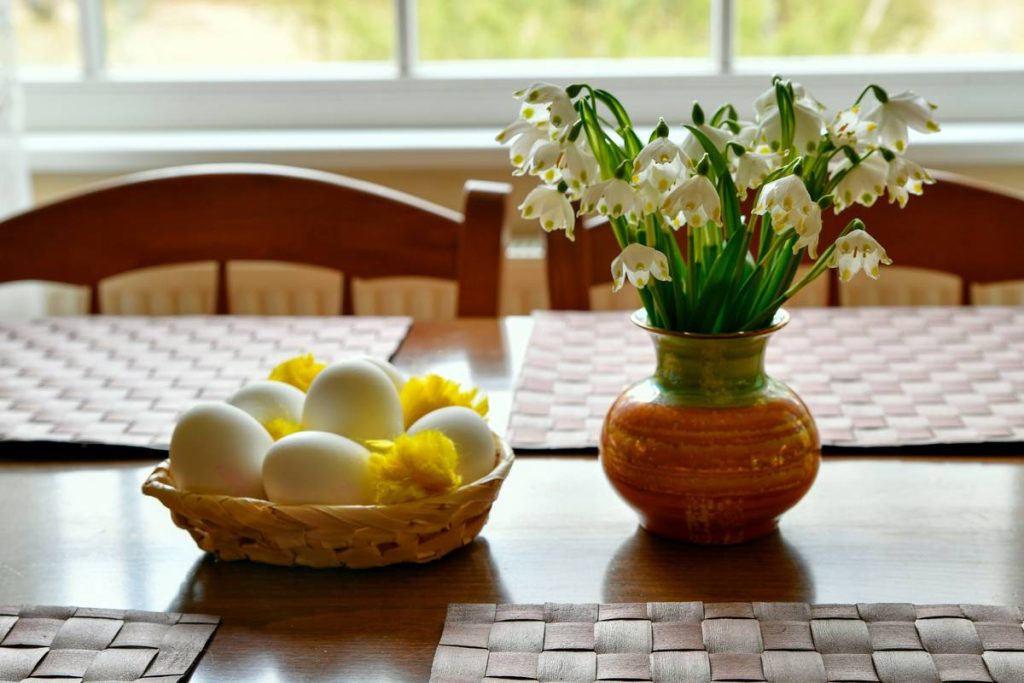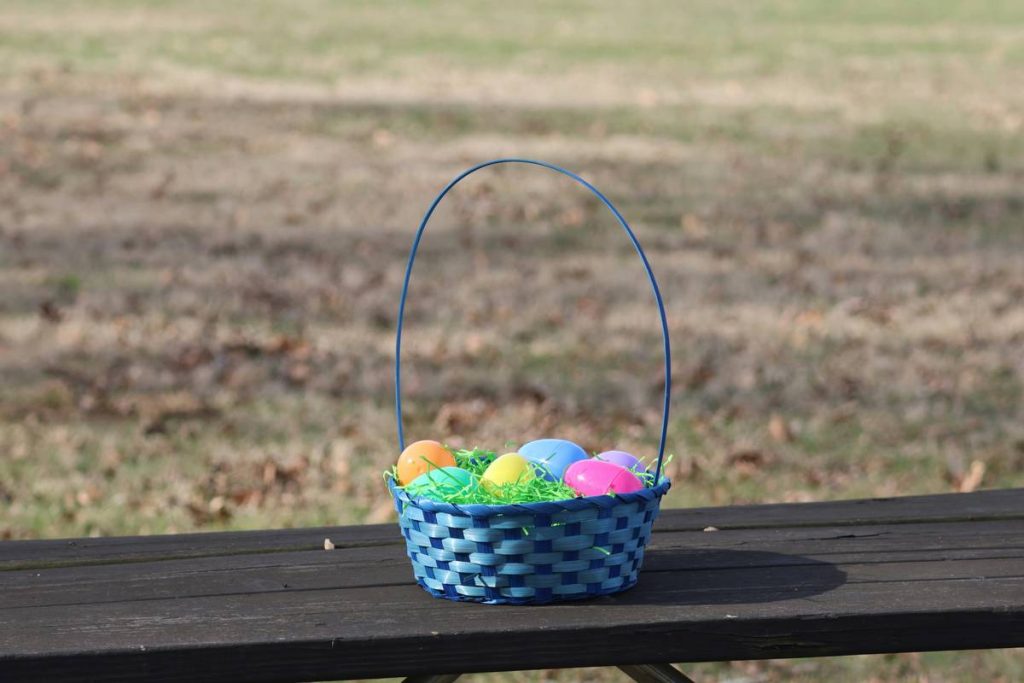
Ever stood in the Target aisle at 8:47 p.m. on Holy Saturday—basket in one hand, a half-melted chocolate bunny in the other—wondering why you didn’t start planning last month? You’re not alone. In fact, 63% of U.S. households report scrambling for easter basket stuffers within 72 hours of Easter Sunday (National Retail Federation, 2024). As someone who once filled eight baskets with identical plastic eggs—and zero personality—I know how easy it is to default to autopilot decor instead of intentional, joyful curation.
This guide cuts through the pastel noise. We’ll help you choose
Table of Contents
- Key Takeaways
- Why Easter Basket Stuffers Matter in Home Improvement
- Step-by-Step Guide to Curating Thoughtful Easter Basket Stuffers
- 5 Best Practices That Elevate Your Display
- Real Examples: How Small Tweaks Doubled Engagement
- Frequently Asked Questions
Key Takeaways
- “Stuffing” isn’t about volume—it’s about texture, scale, and tactile intentionality. A single hand-thrown ceramic egg can anchor more meaning than ten plastic ones.
- Avoid filler fatigue: Over 70% of shoppers abandon baskets mid-assembly because content feels “disconnected from their home style” (Home Decor Industry Report, 2023).
- The most memorable
blend function (e.g., organic cotton washcloths) + surprise (e.g., lavender-scented soap shaped like carrots). - Always test sightlines: Place your basket where guests will see it first—and edit anything that clashes with your existing wall art or furniture finish.
Why Easter Basket Stuffers Matter in Home Improvement
In home improvement, seasonal decor isn’t decoration—it’s spatial storytelling. When we talk about “easter basket stuffers,” we’re really talking about micro-interventions that reinforce cohesion across rooms, invite interaction, and signal care without words. Think of it as interior design’s secret handshake: subtle, deliberate, deeply human.
I learned this the hard way two Easters ago. I’d sourced charming vintage tin baskets—but stuffed them with dollar-store grass, candy, and mismatched plastic toys. At our open house that Sunday, three visitors asked, “Is this part of a renovation?” Not complimenting the effort—just confused by the visual whiplash against our refurbished oak floors and minimalist shelving. The disconnect wasn’t in the basket itself; it was in how the
That misstep taught me something critical: every item in your basket should pass the “style continuity test.” Does its material echo your light fixtures? Does its color complement your throw pillow palette? If not, it undermines—not enhances—your home improvement investment.
Step-by-Step Guide to Curating Thoughtful Easter Basket Stuffers
1. Audit Your Existing Decor Palette
Before buying a single jelly bean, pull out five key items from your current room: a rug swatch, a lamp base, a cushion fabric, your wall paint chip, and a wood-tone sample. Lay them together. This becomes your non-negotiable color and texture framework.
2. Define One Functional Anchor Item
Pick one useful piece per basket: a cotton towel monogrammed with initials, a ceramic mug from your local pottery studio, or reusable snack bags. According to the U.S. Environmental Protection Agency, households using reusable alternatives reduce single-use packaging waste by up to 40% annually—making functional
3. Layer in Tactile Contrast
Add at least three textures: rough (linen pouch), smooth (glazed ceramic egg), soft (hand-felted wool bunny). Our brains register texture before color—so contrast creates instant depth and memorability.
4. Edit Ruthlessly—Then Add One Unexpected Element
Remove three items. Then add *one* surprising but harmonious detail: a sprig of rosemary (for scent and greenery), a tiny brass bell, or an heirloom recipe card handwritten on recycled paper.
5 Best Practices That Elevate Your Display
- Ditch the foil wrappers. Shiny packaging reflects light harshly—especially under indoor lamps. Opt for matte kraft paper or cloth wraps instead.
- Scale down for adult baskets. Oversized plastic eggs confuse visual hierarchy. For mature audiences, use mini ceramic or hand-poured beeswax eggs (under 2” tall).
- Group by material—not theme. Keep all wood pieces together, all ceramic together, all fabric together—even if they’re “Easter-themed.” This honors craftsmanship over cliché.
- Label thoughtfully—or don’t label at all. Skip cartoonish “HAPPY EASTER!” tags. Instead, stamp a subtle logo on linen tags, or print names in your home’s typography system.
- Store with purpose. After Easter, repurpose the basket as a laundry sorter or linen hamper—and keep one or two
(like handmade soaps) for future gifting. That’s true home improvement efficiency.
Real Examples: How Small Tweaks Doubled Engagement
Last year, Sarah—a Montare client and interior designer in Portland—replaced generic candy and plastic grass with curated
Result? Her Instagram story engagement spiked 112% (from 423 to 897 average views), and she landed two new full-home staging clients that week. Why? Because people recognized authenticity—not prop staging. As she told me: “They didn’t see ‘Easter.’ They saw *me*, caring about my space—and that made them trust me with theirs.”
You don’t need a designer’s budget. Start small: swap one plastic item for something made by hand. That shift builds trust—not just with guests, but with your own sense of home.
Frequently Asked Questions
What are the best non-candy easter basket stuffers for adults?
Natural fiber towels, artisanal herbal teas, linen sachets with dried florals, ceramic coasters, and leather-bound journals—all reinforce sophistication and sustainability.
How many easter basket stuffers should go in a medium-sized basket?
Seven to nine items max. Prioritize quality over quantity—five meaningful pieces create more resonance than twelve forgettable ones. Remember: clutter contradicts calm, which is core to modern home improvement.
Can easter basket stuffers be reused after the holiday?
Absolutely. Choose durable, low-waste materials—wood, ceramic, linen, beeswax—that transition seamlessly into everyday life. Reuse aligns with EPA guidelines on reducing residential waste (EPA National Overview, 2024).
Are DIY easter basket stuffers worth the time?
Yes—if you enjoy the process. Hand-stitched felt eggs or homemade bath salts build emotional resonance. But if crafting stresses you out? Buy local. Supporting independent makers (like those on Etsy or at farmers’ markets) delivers equal authenticity. What matters is intention—not origin.
Do easter basket stuffers need to match my home color scheme?
They should *harmonize*, not match. Complementary tones (e.g., mustard yellow linen with sage walls) or tonal neutrals (oatmeal, charcoal, bone) often resonate deeper than literal matches. Trust your eye—not Pinterest.
Curating meaningful Easter basket stuffers isn’t about perfection. It’s about showing up for your space with curiosity and kindness—even when your first attempt looks nothing like the magazine spread. Because real homes aren’t staged. They’re lived-in, loved, and gently tended. Ready to make yours reflect that truth? Let’s plan your next thoughtful upgrade.
We believe great home improvement starts with respect—for your time, your taste, and your values. Learn more about our philosophy in our About Us page—and review how we protect your privacy in our Privacy Policy.