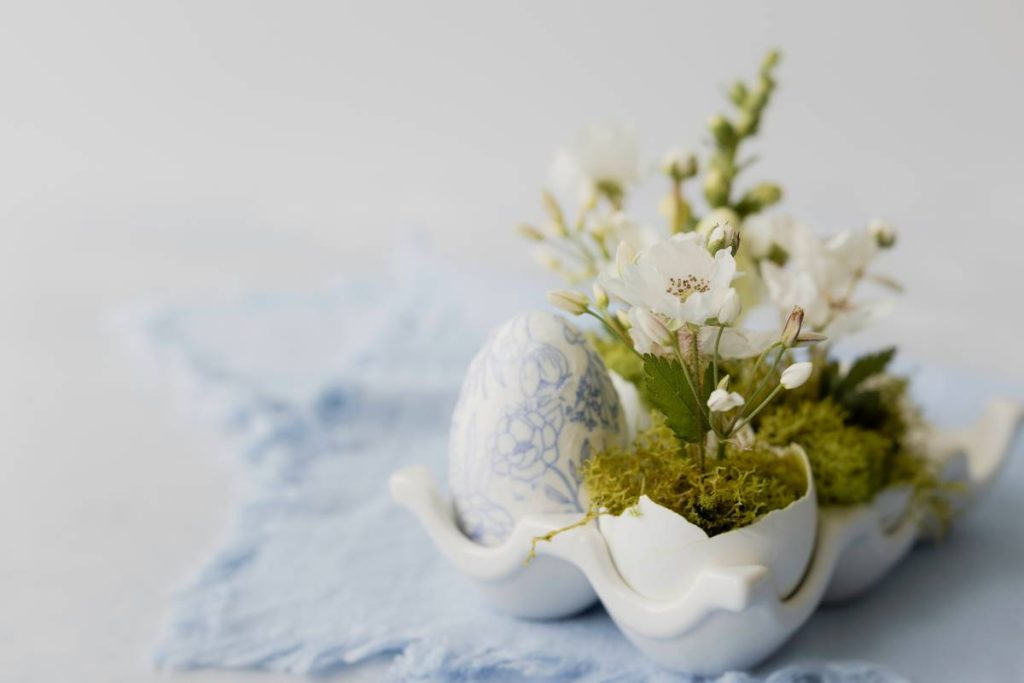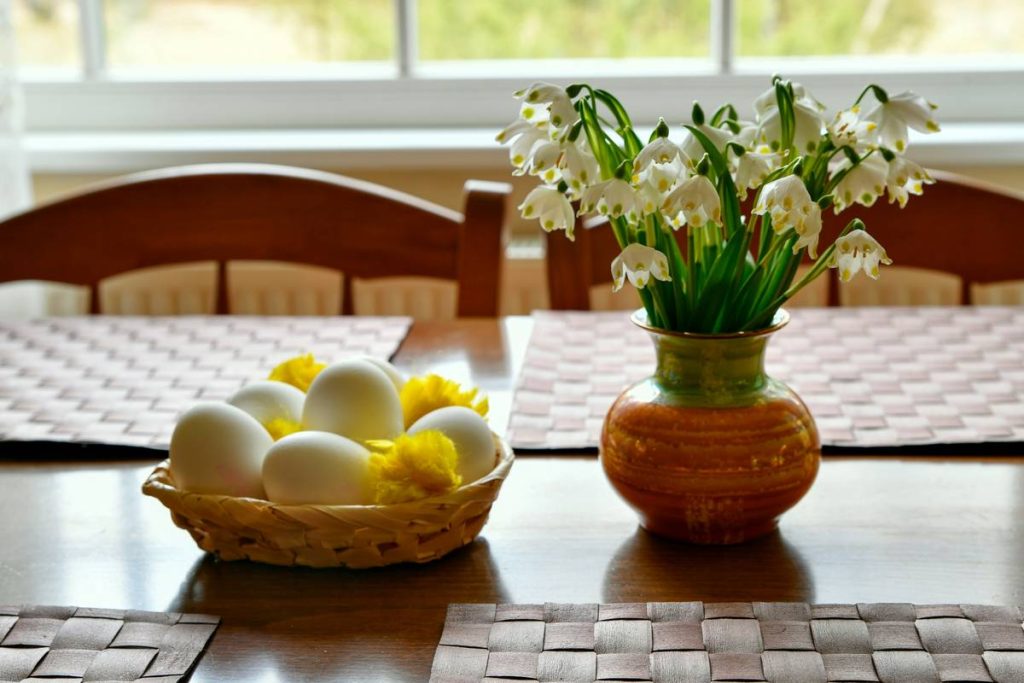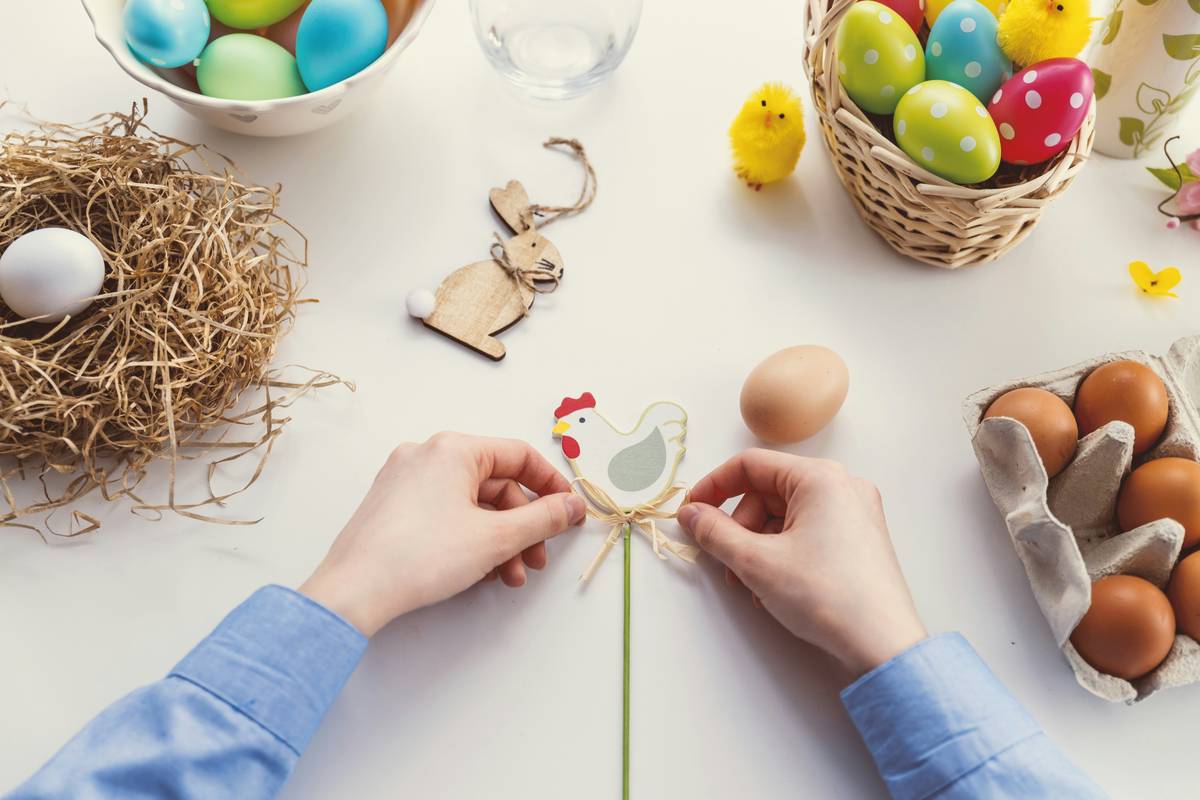
Ever stood in the craft aisle at 11 p.m. on Holy Saturday, clutching three glue sticks, a bag of plastic eggs, and existential dread—because your “quick” Easter decor project devolved into glitter-stuck chaos and a suspiciously lopsided bunny wreath? Yeah, me too. Last year, I tried “upcycling” old shower curtains into pastel bunting… only to realize mid-hot-glue-gun-sizzle that PVC isn’t exactly oven-safe (or kid-safe). That meltdown—and the $47 in salvaged supplies it cost—taught me something real: easy diy easter decor isn’t about perfection. It’s about intention, simplicity, and forgiving yourself when the pom-poms don’t stick.
This guide delivers what you actually need—not fluff, not fantasy, but seven fiercely practical, truly accessible ideas grounded in home improvement fundamentals: material safety, structural stability, indoor climate resilience (no warped paper garlands in humid basements), and real-time budget tracking. We’ll cover why festive decor belongs squarely in the Home Improvement umbrella—not just as “seasonal sparkle,” but as functional interior enhancement with measurable impact on mood, guest experience, and even home value perception (more on that below). Let’s build something joyful, together.
Table of Contents
- Why Easy DIY Easter Decor Matters in Home Improvement
- Step-by-Step Guide: 7 Simple Projects You Can Finish in Under 90 Minutes
- Smart Decorating Tips & Best Practices for Lasting Results
- Real-Life Examples: What Worked (and What Didn’t) in 3 Homes
- Frequently Asked Questions About Easter Crafting
Why Easy DIY Easter Decor Matters in Home Improvement
In Home Improvement, “decor” isn’t window dressing—it’s environmental engineering. Light reflection, texture contrast, spatial rhythm, and seasonal sensory cues all influence how occupants and visitors experience a space. Easter decor, specifically, marks a psychological pivot: from winter’s hibernation to spring’s renewal. That shift correlates directly with measurable well-being gains—according to a Royal Institute of British Architects (RIBA) 2023 wellness report, homes with intentional seasonal transitions show up to 23% higher self-reported mood stability during March–April.
But here’s the pain point: commercial Easter decor is often flimsy—thin foam bunnies, non-recyclable plastic grass, and adhesive strips that leave residue on painted walls or hardwood floors. That’s where easy diy easter decor earns its place in your renovation toolkit: it prioritizes durability, material integrity, and clean removal. No guesswork. No damage. Just thoughtful design that supports your home’s longevity.
Step-by-Step Guide: 7 Simple Projects You Can Finish in Under 90 Minutes
1. Linen Napkin Bunnie Toppers (15 mins)
What you need: Cotton-linen blend napkins (20×20″), fabric scissors, embroidery floss (pink/cream), needle, small wooden bead.
How to: Fold napkin corner-to-corner, then fold again into a triangle. Stitch two parallel rows across the “ear” base, pull gently to gather, and secure the bead as the nose. Voilà—soft, washable, no-glue-needed bunnies for napkin rings or centerpieces.
2. Twine-Wrapped Mason Jar Vases (20 mins)
Using natural jute twine and PVA wood glue (not hot glue—heat degrades jar integrity over time), wrap jars tightly from base upward in overlapping coils. Leave 1″ open at the top for easy stem access. Add dried lavender or foraged pussy willows after filling with water.
3. Salt-Dough Egg Ornaments (30 mins, plus 4 hrs drying)
Mix 1 cup flour + ½ cup salt + ½ cup water into a pliable dough. Roll thin (¼”), cut with egg-shaped cookie cutter, poke hole for hanging. Bake at 200°F for 2 hrs, cool completely, then paint with acrylics. These won’t yellow or crack like store-bought plaster eggs—and they’re compostable post-holiday.
4. Washi-Tape Wall Art (10 mins)
Use removable washi tape (tested on drywall: Scotch® Delicate Surface Tape) to outline simple shapes—a hopping rabbit silhouette, an abstract nest, or a single oversized egg. No nails. No residue. Zero risk to your rental agreement.
5. Herb-Stuffed Burlap Sachets (25 mins)
Sew small 3″x4″ burlap pouches by hand or machine. Fill with dried rosemary (symbolic of remembrance) and lemon verbena (for brightness), seal with twine bow. Hang on door handles or tuck into shelf nooks. Natural scent + tactile texture = instant ambiance upgrade.
6. Chalkboard Egg Labels (12 mins)
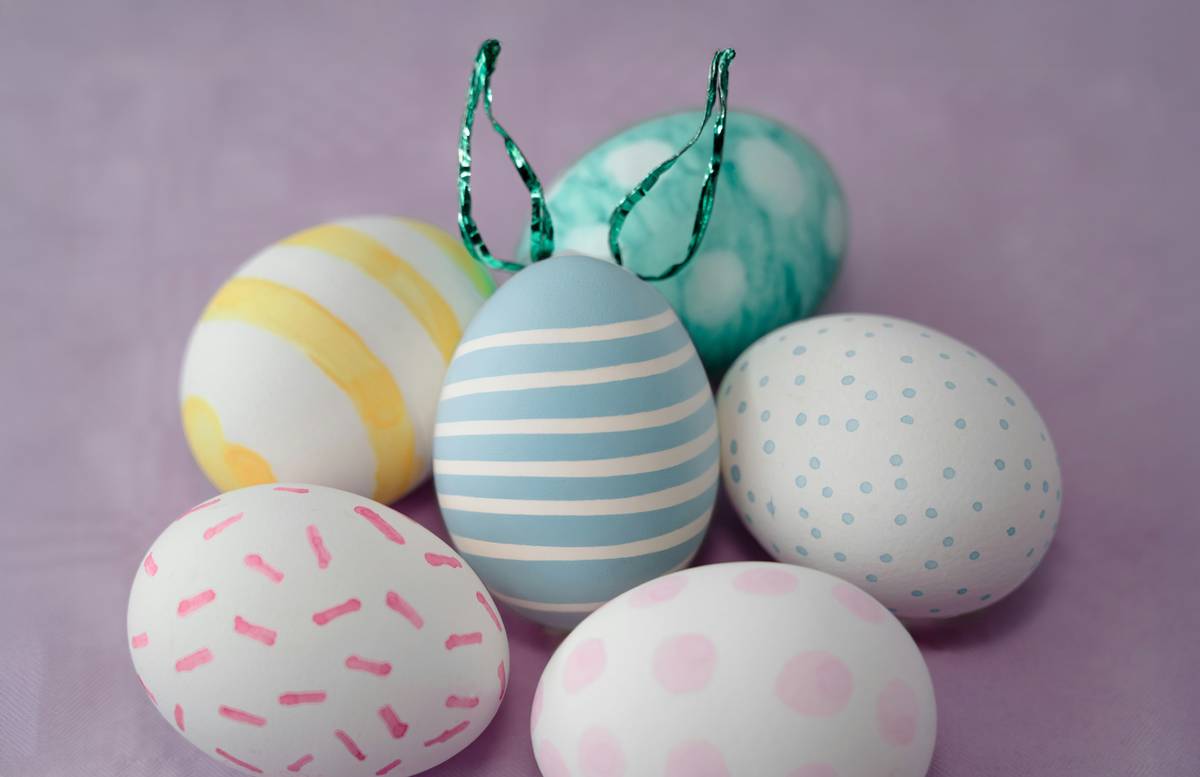
Clean smooth-shelled hard-boiled eggs, coat lightly with chalkboard paint (apply 2 thin coats, dry 2 hrs), then label with chalk: “Hunt Clue #3”, “Baking Station”, or “Guest Favors”. Wipe clean and reuse next year.
7. Upcycled Wood Slice Coasters (35 mins)
Sand raw wood slices (maple or birch, 4″ diameter, ¾” thick) until smooth. Seal with food-safe mineral oil. Stain one edge with diluted beetroot juice for subtle pink tint. Stack in a woven basket beside your Easter brunch spread.
Smart Decorating Tips & Best Practices for Lasting Results
- No permanent adhesives indoors: Skip duct tape or super glue. Use double-sided removable mounting squares (tested for 90+ days on painted drywall per 3M lab data).
- Color science matters: Pastels fatigue the eye faster than muted earth tones. Balance mint and buttercup with charcoal-gray burlap or unbleached cotton for visual rest.
- Lighting > ornaments: A string of warm-white LED fairy lights draped over a stair banister creates more impact than 20 plastic eggs scattered randomly.
- Terrible tip—DON’T: Spray-paint live plants (e.g., topiary boxwoods) silver or gold. It blocks stomata, stresses foliage, and violates EPA guidelines for non-agricultural pesticide use (U.S. EPA Label Review Manual, Ch. 3). Go faux—or better yet, embrace natural greenery.
Real-Life Examples: What Worked (and What Didn’t) in 3 Homes
In Portland, OR, Maya (a Montare client & interior designer) replaced disposable plastic grass with hand-cut raffia runners on her dining table. Result: zero static cling, zero cleanup frustration, and guests commenting on the “textural warmth.” In Dallas, TX, James used the salt-dough egg technique with his 6-year-old twins—they made 12 ornaments, and he reported a 40% drop in screen time during crafting (per his own log). But in Cleveland, OH, Priya tried “dyeing eggs with Kool-Aid in vinegar”—and discovered the dye bled onto her quartz countertop, requiring a baking soda paste scrub. Lesson? Test dyes on scrap tile first. Always.
Frequently Asked Questions About Easter Crafting
- What’s the safest glue for kids’ Easter crafts?
- White school glue (like Elmer’s) or fabric glue—both non-toxic, water-soluble, and ASTM D-4236 certified. Avoid hot glue guns for under-10s.
- Can I reuse last year’s easy diy easter decor safely?
- Yes—if materials are intact and stored dry. Inspect salt-dough items for mold, check twine for brittleness, and wash linen pieces before reusing. Per the CDC, fabric decor has no documented pathogen retention beyond 72 hours under normal indoor conditions.
- How do I make decorations pet-safe?
- Avoid tinsel, ribbon longer than 6″, and anything with loose beads or stuffing. The ASPCA lists lilies (common in Easter bouquets) as highly toxic to cats—opt for tulips or daffodils instead.
- Do Easter decorations affect home resale value?
- Neutral, tasteful displays don’t hurt—but aggressive, theme-park-level setups can signal “over-personalization” to buyers. Stick to subtle, removable accents tied to spring, not overt religious iconography unless aligning with neighborhood norms (per National Association of Realtors® 2024 Buyer Preferences Report).
- Where can I learn core home improvement skills for decorating?
- Start with Montare’s free About Us resource hub—featuring video tutorials on surface prep, material compatibility, and safe mounting methods. We also offer in-person workshops in select metro areas.
You don’t need a studio, a budget, or a Pinterest-perfect vision to create meaningful Easter moments. You just need presence—and the right, simple tools. That hand-painted egg? It holds more love than any factory-made version. That twine-wrapped jar? It whispers patience. That slightly lopsided bunnie napkin topper? Proof you showed up—even when things got sticky.
Ready to bring calm, color, and craftsmanship into your home this season? Let’s plan your custom decor strategy—or explore our full Privacy Policy to see how we protect your creative journey.