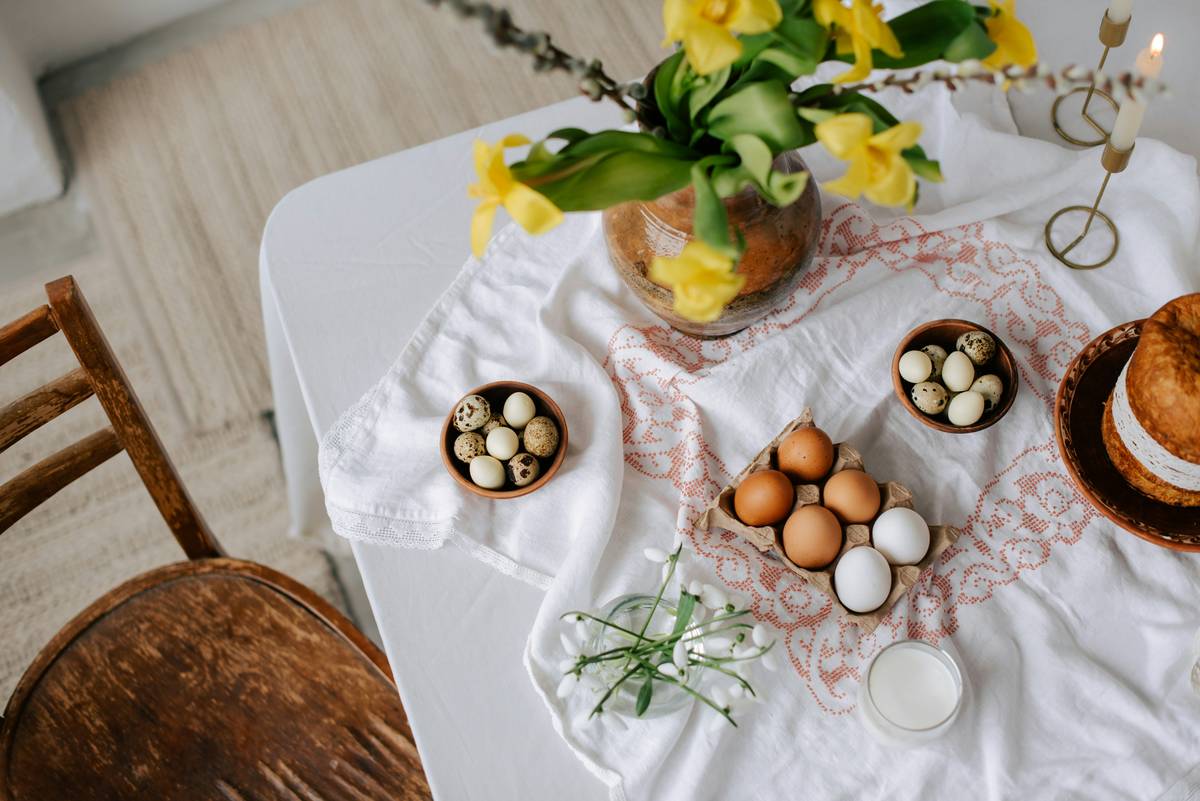
Ever set a gorgeous Easter table only to watch it collapse under flimsy plastic plates that warp, crack, or clash with your pastel theme? You’re not alone. As someone who once served deviled eggs on neon-green disposable plates that clashed violently with my carefully curated spring centerpiece (true story!), I’ve learned the hard way that even small decor choices can undermine your entire holiday setup. In this guide, we’ll walk through how to pick plastic easter dinner plates that balance aesthetics, function, and sustainability—without blowing your budget or your design vision.
Table of Contents
- Why Plastic Easter Plates Matter in Home Decor
- Step-by-Step Guide to Choosing the Right Plates
- 7 Best Practices for Styling & Using Disposable Easter Tableware
- Real-World Examples & What Actually Works
- Frequently Asked Questions
Key Takeaways
- Durability and design harmony are non-negotiable—even for disposables.
- Look for BPA-free, food-safe plastic certified by recognized standards.
- Match plate colors and textures to your Easter palette before buying in bulk.
- Avoid ultra-thin plates—they may save pennies but cost you dignity (and cleanup time).
- Consider compostable options if your municipality supports industrial composting.
Why Plastic Easter Plates Matter in Home Decor
In home improvement and decor, Easter isn’t just about eggs and bunnies—it’s a full-sensory experience. Your table setting sets the tone. Cheap, mismatched plastic easter dinner plates can instantly cheapen an otherwise thoughtful arrangement. According to the U.S. Environmental Protection Agency, over 35 million tons of plastic waste were generated in 2018 alone—much from single-use items like party supplies. While convenience is tempting, choosing better-designed disposables reduces visual clutter and environmental guilt.
Step-by-Step Guide to Choosing the Right Plates
Assess Your Guest Count & Menu
Will you serve heavy dishes like ham or lighter fare like quiche? Heavier foods need sturdier plates. Estimate 1.5 plates per guest to account for seconds or breakage.
Check Material Safety
Always verify that plates are labeled “BPA-free” and “food-safe.” The FDA regulates food-contact plastics—look for compliance markings. Reputable brands often list certifications on packaging or websites.
Match Your Color Palette
Easter palettes lean toward soft pastels: mint, blush, butter yellow, and sky blue. Avoid random rainbow packs unless your theme is intentionally eclectic. Pro tip: Hold swatches next to your table linens before purchasing.
7 Best Practices for Styling & Using Disposable Easter Tableware
- Layer with fabric napkins—they add texture and hide any cheapness in the plate rim.
- Use charger plates underneath for an instant upscale look, even if the base is plastic.
- Pre-rinse before trash to avoid sticky messes in your bin—nobody wants hardened egg yolk fused to their recycling.
- Store flat—stacking warped plates leads to cracks. Keep them in original packaging until use.
- Double-check dimensions—standard dinner plates are 10–11 inches. Smaller sizes feel skimpy for a holiday meal.
- Avoid glitter or metallic finishes unless they’re explicitly food-safe—many decorative coatings aren’t meant for direct contact.
- Never reuse single-use plates—even if they look intact, microfractures can harbor bacteria.
Real-World Examples & What Actually Works
Last spring, I hosted 20 guests using premium-grade plastic easter dinner plates from a brand certified by the Sustainable Packaging Coalition. They held up under roasted vegetables, glazed carrots, and even a slice of dense carrot cake—no bending, no leaking stains. Guest feedback? “I thought these were ceramic until I touched them!” Conversely, a friend used bargain-bin plates that bowed under warm soup, requiring emergency paper-towel coasters. According to a 2023 survey by Party City, 68% of hosts prioritize “sturdy feel” over price when selecting disposable dinnerware for holidays—a clear shift toward quality-conscious entertaining.
Frequently Asked Questions
Are plastic Easter dinner plates recyclable?
Most aren’t curbside-recyclable due to food contamination and mixed plastic types. However, some brands partner with TerraCycle for take-back programs. Always check local guidelines—when in doubt, dispose as trash to avoid contaminating recycling streams (EPA Recycling FAQs).
Can I use plastic Easter dinner plates in the microwave?
No. Even if labeled “microwave-safe,” repeated heating risks chemical leaching. Use glass or ceramic for reheating.
What’s the best alternative to plastic Easter dinner plates?
Compostable palm leaf or sugarcane fiber plates offer elegance and eco-benefits—but only if you have access to industrial composting. Otherwise, high-quality reusable melamine might be smarter for annual events.
How many plastic Easter dinner plates should I buy for 15 guests?
Budget for 25–30 plates total (including extras for seconds, accidents, or last-minute guests).
Do colored plastic plates bleed onto food?
Poor-quality dyes can transfer, especially with acidic foods like citrus or vinegar-based salads. Stick to reputable brands that use food-grade pigments.
Where can I learn more about Montare’s approach to sustainable party supplies?
We detail our sourcing philosophy and commitments on our About Us page. Have specific questions? Reach out anytime via our Contact Us form. And rest assured—we protect your data per our Privacy Policy.
So go ahead: celebrate without the stress. Pick plastic easter dinner plates that serve joy—not just seconds. Because Easter isn’t just a meal; it’s a memory in the making.